



Quantum Detectors : 양자형 검출기
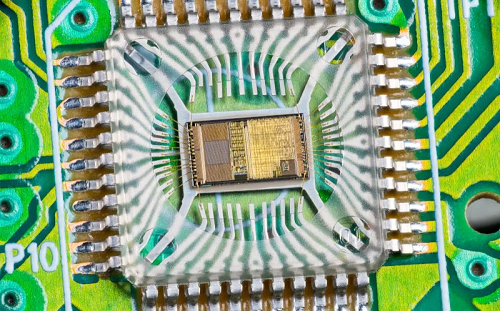
광자 검출기(양자형 검출기라고도 함)는 광전 효과를 기반으로 작동합니다. 적외선 광자가 흡수되면 반도체 재료 내의 전자가 높은 에너지 준위로 이동하게 됩니다. 이 전자들이 기저 상태로 돌아올 때 전기 신호가 생성되며, 이 신호를 측정합니다. 양자형 검출기에는 광전도소자와 광전지 소자가 포함되며 전기 저항의 변화로 이어지기도 합니다. 이러한 고감도 검출기들은 응답 속도가 빠르기 때문에 빠른 검출과 정밀한 측정이 요구되는 응용에 적합합니다.
양자형 검출기와 열형 검출기 사이의 주요 차이점은 흡수된 복사선에 대한 응답 속도가 더 빠르다는 점입니다. 열형 검출기의 민감 소자의 온도 변화는 상대적으로 느리게 일어납니다. 열형 검출기의 시정수(time constant)는 일반적으로 양자형 검출기보다 큽니다. 일반적으로 열형 검출기의 시정수는 밀리초 단위로 측정되는 반면, 양자형 검출기는 나노초 또는 심지어 마이크로초 단위로 측정될 수 있습니다.
적외선 영상 분야에서는 양자형 검출기가 주로 연구 응용, 원격 감지, 고속 열영상에 사용됩니다. 냉각된 적외선 카메라는 보통 양자형 검출기와 냉각 시스템을 사용하여 열적 잡음을 줄이며, 이로 인해 카메라의 비용이 증가하고 유지보수가 더 많이 요구됩니다. 양자형 검출기 분야가 빠르게 발전하고 있음에도 불구하고, 여전히 열형 검출기가 더 적합한 많은 응용 분야가 존재합니다.
파이로미터 응용에서는 단파장 영역에서 양자형 검출기가 중요해졌습니다. 이러한
경우 적외선 포토다이오드는 종종 추가 냉각이 필요하지 않습니다. 그러나 여전히 열형 검출기가 사용되는
응용 분야도 존재합니다.
Photon detectors, also known as quantum detectors, operate on the basis of the photoelectric effect. When photons of infrared radiation are absorbed, they cause electrons in the semiconductor material to move to higher energy levels. The return of these electrons to their ground state produces an electrical signal, which is then measured. Quantum detectors include photoconductive cells and photovoltaic cells and can also result in a change in electric resistance. These highly sensitive detectors have rapid response times, which makes them suitable for applications requiring fast detection and precise measurements.
The key difference between quantum and thermal detectors is their faster response to absorbed radiation. The temperature of the sensitive element of a thermal detector changes relatively slowly. The time constants of thermal detectors are usually greater than those of quantum detectors. Generally, the time constants of thermal detectors can be measured in milliseconds, while those of quantum detectors can be measured in nanoseconds or even microseconds.
For infrared imaging, quantum detectors are typically used in research applications, remote sensing, and high-speed thermal imaging. Cooled infrared cameras usually use quantum detectors and cooling systems to reduce thermal noise, making the camera more expensive and requiring more maintenance. Despite the rapid developments in the field of quantum detectors, there are still many applications where thermal detectors are more suitable.
For pyrometry, quantum detectors have become significant in short wavelength applications, as infrared photodiodes in these cases often do not require additional cooling. However, there are still applications where thermal detectors are used.