



Infrared Radiation : 적외선 복사
적외선 복사(IR)는 가시광선보다 파장이 길고 마이크로파보다 짧은 전자기 복사의 한 종류입니다. 물체 내부의 분자와 원자의 열적 운동으로 인해 모든 물체는 온도에 따라 적외선을 방출하며, 이러한 방출을 일반적으로 열복사(thermal radiation)라고 합니다. 물체의 온도가 높을수록 방출하는 적외선의 양이 많아집니다. 방출되는 복사의 양과 파장은 플랑크의 법칙을 따르며 물체의 온도에 따라 달라집니다. 물체가 적외선 복사를 방출하는 효율은 발열률(emissivity)로 표현되며, 그 값은 0에서 1 사이입니다. 적외선 복사는 물질의 투과율, 반사율, 흡수율에 따라 특정 물질을 관통할 수 있습니다.
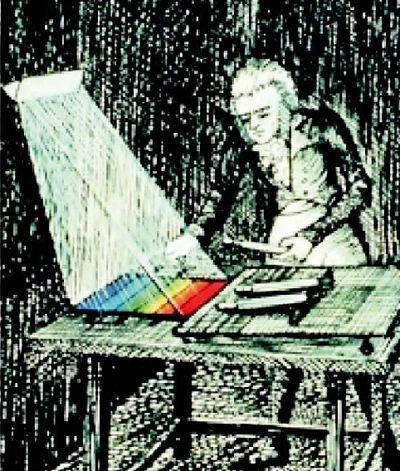
적외선 복사의 발견은 과학사에서 중요한 이정표입니다. 1800년 천문학자 윌리엄 허셜(William Herschel)은 서로 다른 색의 빛의 온도를 측정하는 실험을 수행했습니다. 가시광선 스펙트럼의 적색 부분 바로 너머 영역이 가시광선보다 더 따뜻하다는 그의 발견은 적외선 복사의 획기적인 발견으로 이어졌습니다.
적외선 복사는 파장에 따라 일반적으로 근적외선(NIR), 단파장 적외선(SWIR), 중파장 적외선(MWIR), 장파장 적외선(LWIR) 등으로 세분됩니다. 각 스펙트럼 영역은 고유한 특성과 응용 분야를 가지므로 이들의 차이점과 다양한 분야에서의 잠재적 용도를 이해하는 것이 중요합니다.
모든 물체가 온도의 함수로 적외선을 방출하기 때문에 적외선 온도계는 이 자연 현상을 이용하여 방출되는 적외선의 강도를 측정하고 정량화합니다. 정확한 측정을 위해서는 일반적으로 대상 물체와의 명확한 시야(line of sight)가 필요하지만, 먼지, 연기 또는 광경로를 가로막는 장애물은 측정 정확도에 영향을 미칠 수 있습니다.
Infrared radiation (IR) is a type of electromagnetic radiation with wavelengths longer than visible light but shorter than microwave radiation. It is emitted by all objects based on their temperature due to the thermal motion of molecules and atoms within the object. This emission is often referred to as thermal radiation. The higher the temperature of an object, the more infrared radiation it emits. The amount and wavelength of the emitted radiation depend on the object’s temperature, following Planck’s law. The effectiveness with which an object emits infrared radiation is characterized by its emissivity, a value between 0 and 1. Infrared radiation can penetrate certain materials depending on the material’s transmissivity, reflectivity, and absorptivity.
The discovery of infrared radiation is a significant milestone in the history of science. In 1800, astronomer William Herschel conducted experiments to measure the temperature of different light colors. His findings that the region just beyond the red part of the visible spectrum was warmer than visible light led to the groundbreaking discovery of infrared radiation.
Infrared radiation is often subdivided into three regions based on wavelength: near-infrared (NIR), short-wavelength infrared (SWIR), mid-wavelength infrared (MWIR), and long-wavelength infrared (LWIR). Each spectral region has unique properties and applications, making it essential to understand their differences and potential uses in various fields.
As all objects emit infrared radiation as a function of their temperature, infrared thermometry leverages this natural phenomenon to measure and quantify the intensity of the emitted infrared radiation. This measurement principle usually requires a clear line of sight to the target object for accurate readings, but dust, smoke, or obstructions of the optical path can affect measurement accuracy.