



Frame Rate : 프레임 속도
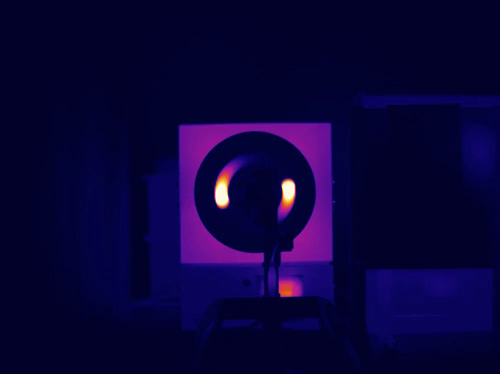
적외선 카메라의 프레임 속도(frame rate)는 초당 촬영되는 개별 프레임 또는 영상의 수를 의미하며, 일반적으로 fps(frames per second) 단위로 표현됩니다. 프레임 속도는 빠르게 움직이는 물체를 포착하고 부드럽고 연속적인 열 영상을 제공하는 데 있어 카메라의 성능을 결정하는 중요한 파라미터입니다.
프레임 속도가 높을수록 적외선 카메라는 초당 더 많은 영상을 획득할 수 있으며, 이는 동적이거나 빠르게 변화하는 열 장면을 다루는 응용 분야에서 필수적입니다. 예를 들어, 산업 모니터링에서 기계나 공정 중 온도가 급격히 변하는 경우, 높은 프레임 속도는 중요한 열 이벤트를 놓치지 않도록 보장합니다. 또한 높은 프레임 속도는 이동 중인 물체를 더 높은 디테일과 더 적은 모션 블러로 포착할 수 있게 합니다.
산업용 적외선 카메라는 일반적으로 약 30 Hz에서 125 Hz 수준의 프레임 속도를 가지지만, 특수한 단파장 적외선 카메라의 경우 응용 요구 사항과 카메라 설계에 따라 최대 1000 Hz 또는 그 이상의 프레임 속도를 구현할 수 있습니다.
그러나 프레임 속도가 높아질수록 여러 가지 절충이 따릅니다. 프레임 속도의 증가는 더 많은 데이터를 생성하므로, 더 큰 저장 용량과 높은 처리 성능이 필요합니다. 또한 노출 시간이 짧아지면서 열 영상의 노이즈가 증가할 수 있습니다. 따라서 최적의 운용 방법은, 가장 빠르게 변화하는 장면도 모션 블러 없이 충분히 포착할 수 있을 만큼은 높게 설정하되, 노이즈가 적고 과도한 데이터 생성 없이 의미 있는 영상을 얻을 수 있는 수준으로 프레임 속도를 조정하는 것입니다.
The frame rate of an infrared camera refers to the number of individual frames or images it captures per second, typically expressed in frames per second (fps). Frame rate is a crucial parameter in determining the camera’s ability to capture fast-moving objects and provide smooth, continuous thermal imaging.
A higher frame rate allows the infrared camera to capture more images per second, which is essential for dynamic or rapidly changing thermal scene applications. For example, in industrial monitoring, where machinery or processes might involve quick temperature changes, a high frame rate ensures that no critical thermal event is missed. Similarly, higher frame rates can capture moving objects with greater detail and less motion blur.
Industrial infrared cameras typically have frame rates of around 30 Hz to 125 Hz, but specialized short-wavelength infrared cameras can achieve much higher rates, up to 1000 Hz or more, depending on the application requirements and the camera’s design.
Nevertheless, higher frame rates often come with trade-offs. Increased frame rates can generate more data, requiring more substantial storage and processing power. In addition, shorter exposure time might mean noisier thermal images. Therefore, the best practice is to set the frame rate to a level at which the fastest dynamic scene is still sufficiently captured without motion blur, but low enough to create meaningful images with little noise and without using too much data.